
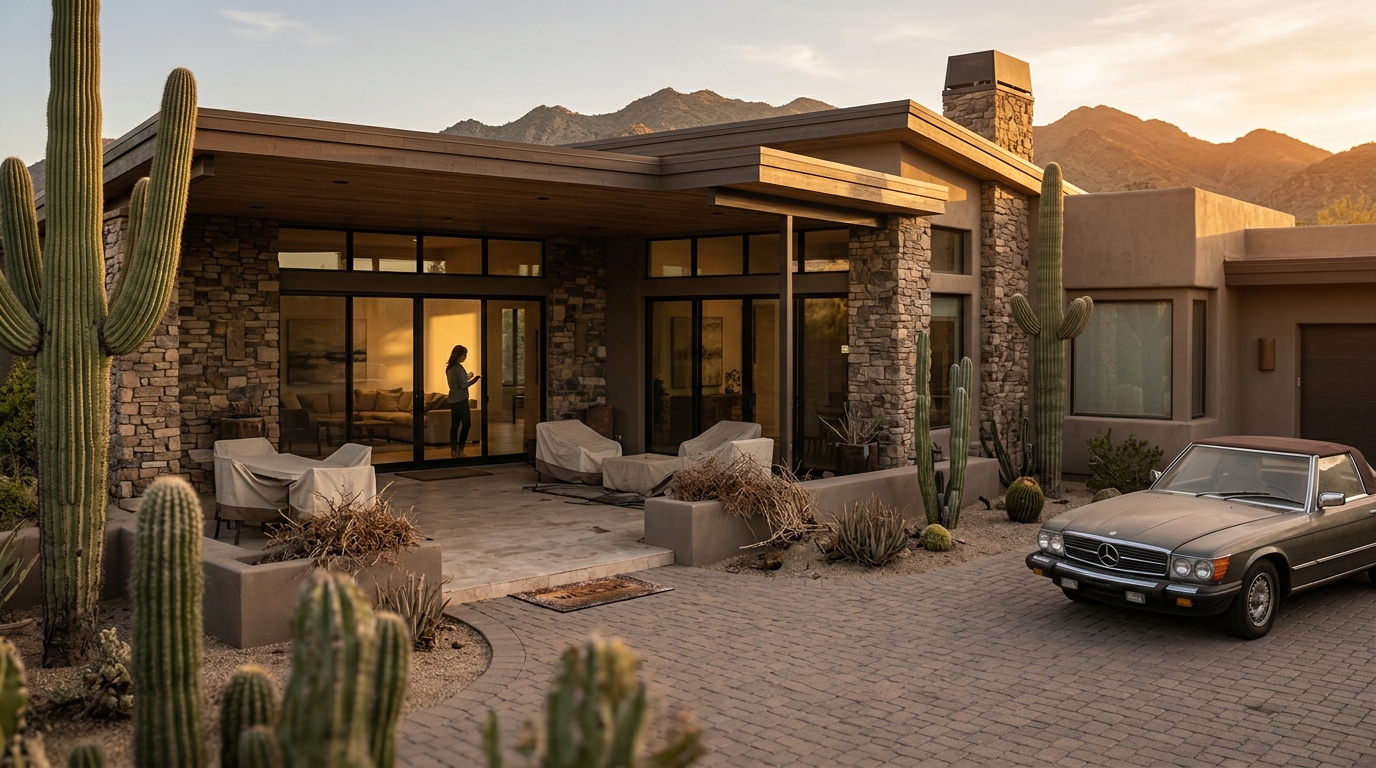
Listing a home in the high-desert market of Cave Creek, Arizona, requires more than just standard staging techniques. The unique blend of luxury estates, acreage properties, and desert landscapes creates a niche environment where general real estate advice often falls short. According to recent market analyses, homes that are overpriced initially spend significantly longer on the market, often leading to price reductions that signal distress to buyers. This dynamic is particularly acute in Cave Creek, where buyer expectations for privacy, land use, and outdoor living spaces are exceptionally high. Sellers who fail to account for these specific regional nuances frequently leave money on the table or struggle to close transactions efficiently. Understanding the local landscape is the first step toward a successful sale.
The Pricing Trap in Cave Creek
One of the most frequent errors sellers commit is relying on emotional attachment or generic online estimators to set their listing price. In Cave Creek, property values are heavily influenced by lot size, privacy, and the quality of the view. A home on five acres with a panoramic mountain view commands a different valuation metric than a home on one acre with a standard backyard. Pricing is not just about the house; it is about the land and the lifestyle it offers.
Many sellers look at the last sale price of their neighbor's home and assume their property is worth the same. This ignores the unique topography and improvements of their own lot. If you price your home too high, it will sit stagnant. Buyers in this market are sophisticated and often wait for the right opportunity. When a home lingers, it becomes "stale," and buyers begin to suspect there is something wrong with it. This leads to a downward spiral of price reductions that can ultimately result in a final sale price lower than if it had been priced correctly from the start.
To avoid this, sellers must utilize a Comparative Market Analysis (CMA) that specifically accounts for acreage and location within the Cave Creek boundaries. This requires a deep understanding of recent sales data in the area. For more insights on how to determine the right price, you can explore our comprehensive selling resources.
Ignoring Zoning and Land Use Regulations
Cave Creek is known for its semi-rural character. Many properties are zoned for agricultural use or have minimum lot size requirements that restrict subdivision. Sellers often forget to highlight these features or, worse, fail to disclose restrictions that limit a buyer's ability to use the land as they wish. Land use potential is a primary driver of value in this region.
Buyers looking for acreage often want to build guest houses, keep horses, or install large solar arrays. If the zoning does not permit these activities, the pool of potential buyers shrinks dramatically. Conversely, if the property does allow for these uses, it should be prominently featured in the listing. Ignoring this aspect can lead to deals falling through during the due diligence phase, causing frustration and delays for all parties involved.
Understanding the local zoning codes is critical. For detailed information on how these regulations impact your property, review our guide on Cave Creek communities and zoning.
Neglecting Desert-Specific Curb Appeal
Standard staging advice often focuses on interior spaces. However, in Cave Creek, the exterior is often the main selling point. Sellers frequently neglect the importance of desert landscaping, hardscaping, and outdoor living areas. A well-maintained yard with native plants, functional patios, and clear sightlines to the mountains can make or break a sale.
Overgrown vegetation or outdated landscaping can make a property look neglected, even if the interior is pristine. Buyers need to visualize themselves enjoying the outdoor lifestyle that Cave Creek offers. This includes spaces for entertaining, gardening, or simply relaxing in the desert sun. Outdoor living space is considered an extension of the home in this market.
Sellers should invest in professional landscaping and ensure that all outdoor features, such as irrigation systems and lighting, are in working order. This attention to detail signals to buyers that the property has been well-maintained. For tips on preparing your home for the market, check out our home value estimate tools.
Overlooking Critical Property Disclosures
Arizona law requires sellers to disclose known material defects. In Cave Creek, this often includes issues related to water rights, septic systems, or soil stability. Sellers who attempt to hide these issues or fail to disclose them proactively risk legal repercussions and deal cancellations. Transparency builds trust and accelerates the closing process.
For example, if a property relies on a well for water, the quality and flow rate of that well are critical factors. If the septic system is older, a recent inspection report can provide peace of mind to buyers. By addressing these potential concerns upfront, sellers can prevent last-minute negotiations or deal breakers. This proactive approach is part of our commitment to smooth transactions, as outlined in our selling services.
Weak Digital Marketing Strategies
In today's market, the majority of buyers start their search online. Sellers who rely solely on traditional methods or a basic MLS listing miss a vast audience. High-quality photography, virtual tours, and targeted digital advertising are essential for reaching qualified buyers. Cave Creek properties often attract buyers from outside the immediate area, including Phoenix and even other states.
A weak digital presence can result in fewer showings and lower interest. Professional photography that captures the essence of the desert landscape and the luxury of the home is non-negotiable. Virtual tours allow buyers to screen properties remotely, saving time for both the seller and the buyer. For more information on how we market properties, visit our luxury property page.
Rigid Negotiation Stances
Sellers often become emotionally attached to their home and struggle to negotiate in good faith. This rigidity can lead to lost deals. In a balanced market, flexibility is key. Sellers who are willing to work with buyers on repairs, closing costs, or timelines are more likely to secure a successful sale. Flexibility in negotiations can be the difference between a quick close and a stalled deal.
Understanding the buyer's perspective is crucial. If a buyer has identified a minor issue, offering a credit or a repair can keep the deal on track. This collaborative approach demonstrates professionalism and respect for the buyer's investment. For expert negotiation support, consider listing with a seasoned professional.
Key Takeaways for Cave Creek Sellers
- Pricing Accuracy: Use a detailed CMA that accounts for acreage and views, not just square footage.
- Zoning Awareness: Highlight or disclose land use restrictions to attract the right buyer pool.
- Desert Staging: Invest in outdoor living spaces and native landscaping to enhance curb appeal.
- Transparency: Disclose water, septic, and soil issues proactively to build trust.
- Digital Presence: Utilize high-quality photography and virtual tours to reach a wider audience.
- Negotiation Flexibility: Be open to reasonable requests to keep deals moving forward.
- Local Expertise: Work with an agent who understands the unique Cave Creek market dynamics.
Frequently Asked Questions
How does acreage affect Cave Creek home values?
Acreage significantly impacts value in Cave Creek due to the demand for privacy and land use. Homes with larger lots often command higher prices, especially if they offer views or agricultural zoning potential.
What are the most common disclosure issues in Cave Creek?
Common disclosures include water well quality, septic system condition, and soil stability. Sellers should address these proactively to avoid deal delays.
Why is professional photography important for desert homes?
Professional photography captures the unique lighting and landscape of the desert, showcasing outdoor living spaces that are critical to the Cave Creek lifestyle.
How long do homes typically stay on the market in Cave Creek?
Market times vary based on price point and condition. Overpriced homes can linger for months, while correctly priced homes in desirable areas may sell in weeks.
Can I sell my home without a real estate agent?
While possible, selling without an agent can be challenging due to the complexity of local zoning, disclosures, and marketing requirements. Professional guidance is highly recommended.
What is the best time to list a home in Cave Creek?
Spring and early fall are typically peak seasons, but the luxury market can be active year-round. Timing should align with your personal readiness and market conditions.
How do I prepare my desert landscaping for sale?
Ensure all plants are healthy, irrigation is functional, and hardscaping is clean. Remove any dead vegetation and highlight functional outdoor areas.
What should I look for in a Cave Creek real estate agent?
Look for an agent with deep local knowledge, a strong marketing plan, and a track record of successful sales in the Cave Creek area.
Start Your Cave Creek Sale Today
Selling your home in Cave Creek requires a strategic approach that respects the unique characteristics of the desert market. By avoiding these common mistakes and working with a knowledgeable professional, you can maximize your home's value and ensure a smooth transaction. Contact Michelle Horowitz today to schedule a consultation and begin your journey to a successful sale.